
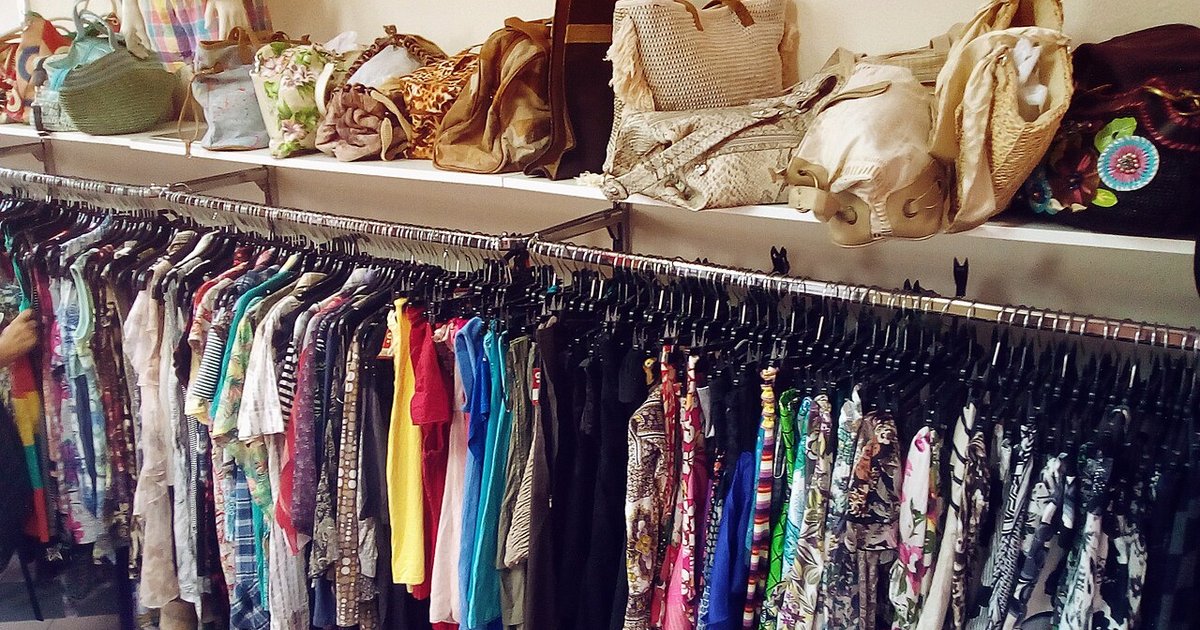
Secondhand shopping has moved well beyond its old reputation as a last resort, becoming a mainstream and often smarter way to find genuine value, particularly for categories like clothing, furniture, and household goods. The savings can be substantial, but getting the most out of thrift and resale markets requires a slightly different approach than shopping new retail.
Items sold secondhand have already absorbed the steepest part of their depreciation, meaning a well-maintained used item can offer most of the functional value of a new one at a fraction of the cost. This is especially true for furniture, certain electronics, and clothing from brands known for durability.
Furniture is a particularly strong category for secondhand value, since well-built pieces often outlast trends and can be refreshed with simple cleaning or minor repair rather than being replaced outright. Clothing from higher-quality, durable brands also tends to hold up well secondhand, often at a small fraction of its original price.
Unlike most new retail purchases, secondhand prices, particularly at physical thrift stores, consignment shops, or private sales, are sometimes open to gentle negotiation. Politely asking about flexibility on price, especially for an item that's been on the shelf a while, occasionally results in an even better deal than the listed price.
Secondhand shopping generally requires more patience than buying new, since selection varies and the specific item you want may not be available on any given visit. Treating it as an ongoing, low-pressure habit rather than a one-time errand tends to produce the best results, letting good finds accumulate naturally over time rather than forcing a purchase during a single visit.