
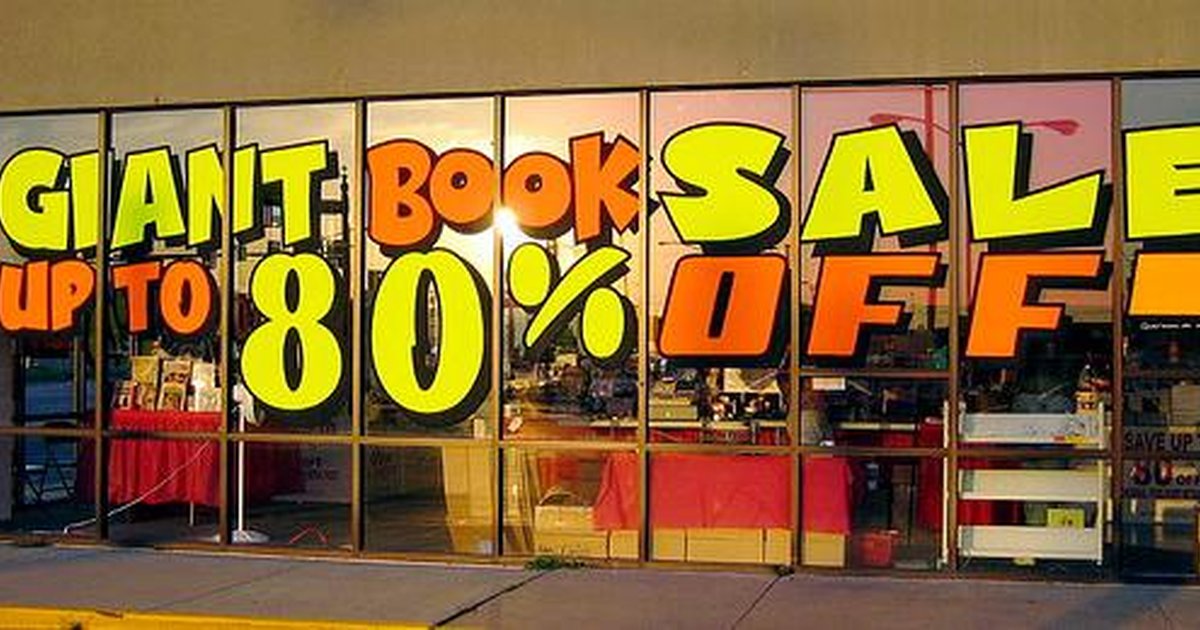
Retail marketing has become highly sophisticated at making an average price feel like an exceptional one. Bold percentages, colorful banners, and urgent language are all designed to trigger a fast decision rather than a considered one. Learning to recognize the most common tactics makes it much easier to tell a real bargain from clever presentation.
Several patterns show up repeatedly across retailers and industries, and once you notice them, they become much easier to spot in the moment rather than after the purchase is already made.
Countdown timers deserve particular attention. Many reset automatically after they expire or reappear for the same shopper on a later visit, which suggests the urgency is more about behavior design than a genuinely limited window.
Before trusting an advertised discount, a short verification routine can confirm whether it holds up. Check a price-history tool to see what the item has actually sold for recently, search for the same or a similar product from at least one other retailer, and read a handful of recent reviews to confirm the product itself is worth buying at any price. This entire process typically takes only a few minutes but meaningfully reduces the risk of falling for a well-presented but ordinary price.
Genuine deals do exist, and they tend to share a few traits: the discount holds up against independent price history, the urgency feels reasonable rather than manufactured, and the product itself has a solid reputation independent of the sale. Shopping with this kind of quick mental checklist doesn't require becoming cynical about every sale; it simply adds a habit of verification that protects against the more aggressive marketing tactics used across the retail industry.