
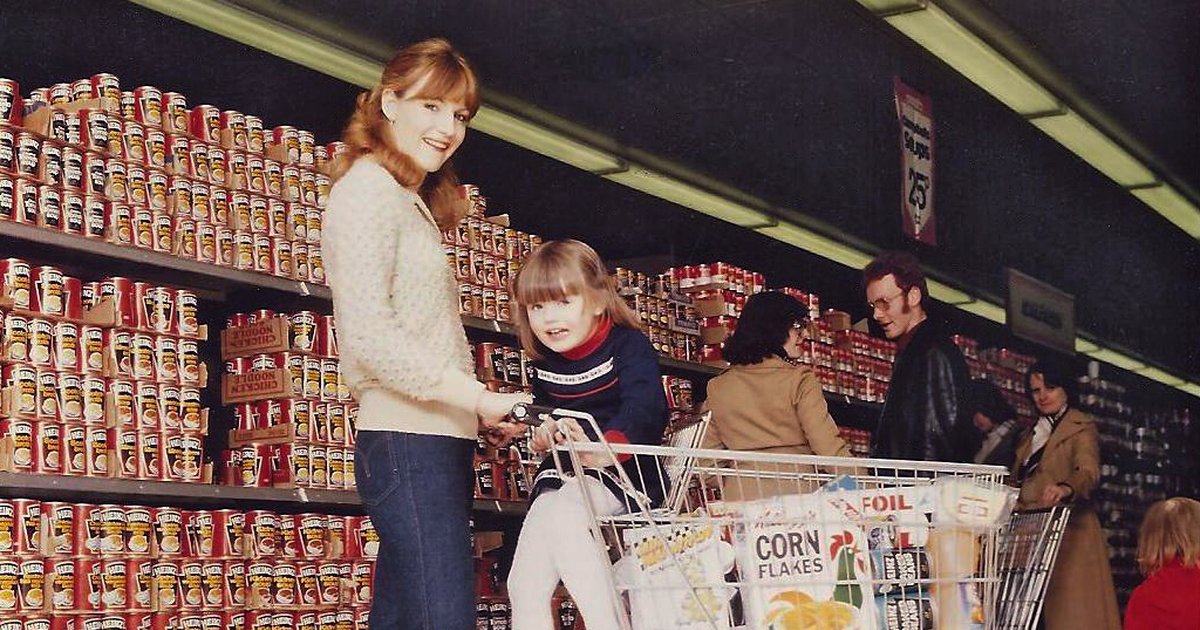
Large mass-merchant retailers offer real advantages: wide selection, competitive baseline pricing, and the convenience of getting groceries, household goods, and other essentials in a single trip. That same scale, though, is built around a store layout and pricing structure designed to encourage browsing and additional purchases. A bit of strategy helps you take advantage of the genuine value these stores offer without falling into their more common spending traps.
Mass-merchant stores are typically arranged so that everyday essentials sit at the back or in less convenient spots, requiring a walk through higher-margin departments to reach them. Recognizing this layout is the first step toward shopping more efficiently and resisting unplanned detours.
Store-brand or private-label products are one of the most reliable ways to save at mass merchants. These are frequently manufactured to a similar standard as name-brand equivalents at a noticeably lower price, particularly for basic household staples and pantry items.
Many large retailers offer a mobile app with digital coupons, a price-scanning feature, or a price-matching policy against competitors. Checking these tools before or during a shopping trip can surface savings that aren't visible on the shelf tag alone, and price-matching in particular removes the need to visit multiple stores to get a competitive price.
Because mass-merchant stores sell such a wide range of products, it's easy for a quick errand to turn into a much larger purchase. Deciding on an approximate spending limit before entering the store, and keeping the shopping list close at hand, helps preserve the real value these stores offer without letting the scale of the selection drive spending beyond what was actually planned.